GiggleTime GiggleTime
Menu
Go Premium Submit a Joke Comedians About FAQs Contact

Legal
Privacy Policy Terms of Service Cookie Policy Refund and Cancellation Policy Attributions
Login
Language
Categories
Settings
Language English
Safe Mode
Random Jokes Autoplay
Notifications
Global Talent Directory

Comedians from France

The comedian directory of France — profiles, bios, photos, and social links for comedians from France.

Add a comedian
Reset
211 comedians
Bourvil, comedian from France
Verified Unclaimed
France

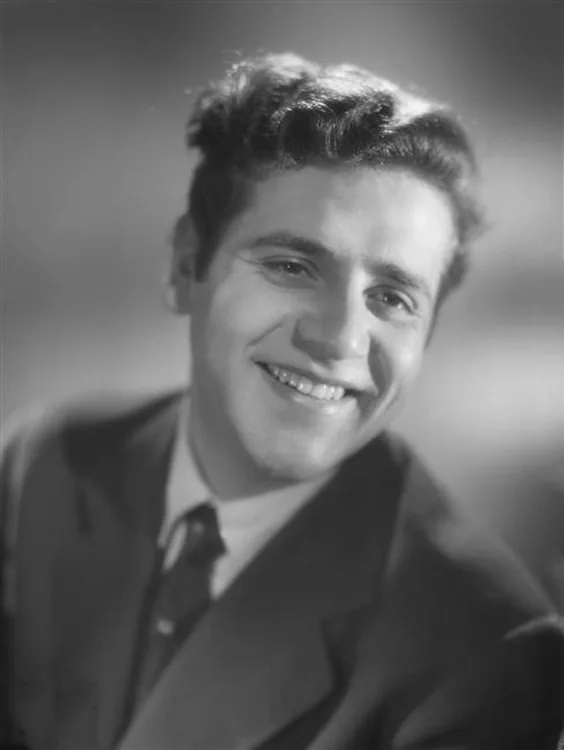
Bourvil

André Raimbourg, better known as Bourvil, was a French comedian, singer and comedian, born 2nd March 1893. 7 July 191 7 to Pretot‐Vicquemare, in the Seine-Inferior, and died on the 2 3 September 1970 in the 16th arrondissement of Paris.

Coluche, comedian from France
Verified Unclaimed
France

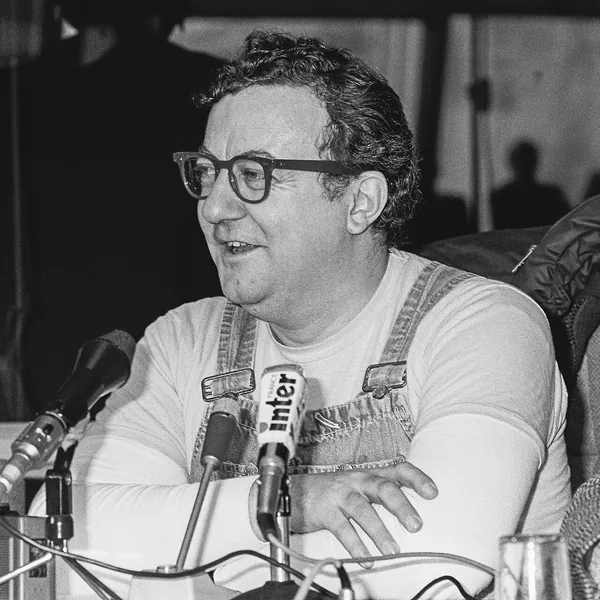
Coluche

Michel Colucci, famous under the pseudonym of Coluche, was born on October 28, 1944 in the 14th arrondissement of Paris and Off on 1 9 June 1986 in Opio, in the Alpes-Maritimes. He illustrated himself as a French comedian, actor and philanthropist.

Jacques Tati, comedian from France
Verified Unclaimed
France

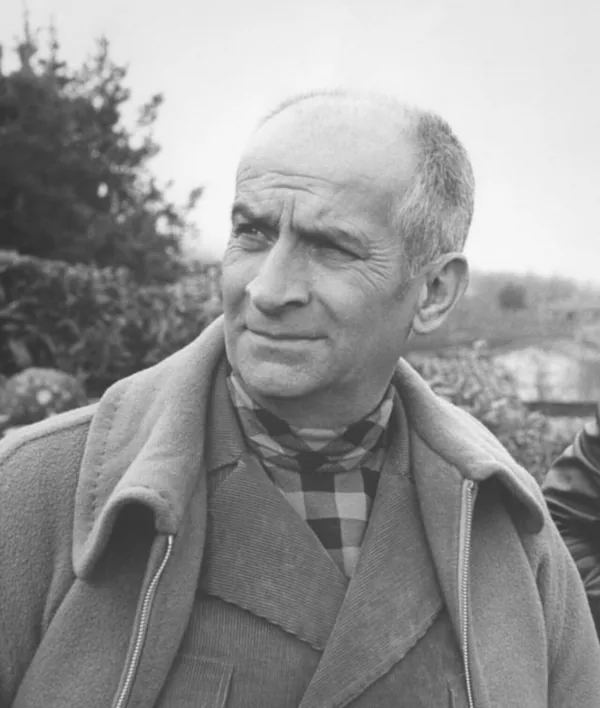
Jacques Tati

Born on October 9, 1907 in Pecq, Seine-et-Oise, Jacques Tatischeff, better known as Jacques Tati, worked in France as a director, actor and screenwriter. extinguished on 4 November 198 2 in the 10th arrondissement of Paris, near the square which now bears his name.

Jean Yanne, comedian from France
Verified Unclaimed
France

Jean Yanne

Born 18 July 1933 in the Lilas under the name Jean Gouyé and died 2 3 May 2003 in Morsains, he is more widely recognized under the pseudonym of Jean Yanne. In France, he served as actor, comedian, writer, director, singer, producer and composer.

Louis de Funès, comedian from France
Verified Unclaimed
France

Louis de Funès

Louis de Funès, born Louis Germain David de Funès de Galarza on July 31, 1914, in Courbevoie, was a prominent French comedic actor. Carlos Luis de Funès de Galarza, a lawyer from Seville, Spain, was his father, and through him, he descended from noble lineage originating in Funes. His mother, Leonor Soto Reguera, a daughter of a Galician notary, contributed to his heritage with Galician ancestry. He spoke French, Spanish, and English, demonstrating an early aptitude for languages. De Funès’s path to acting began with diverse experiences. After attending Lycée Condorcet in Paris and briefly studying at the Sorbonne, he dropped out and worked various menial jobs, often being fired. He pursued musical interests as a jazz pianist in Pigalle, Paris, entertaining customers while exhibiting early signs of his characteristic facial expressions. He also studied acting for a year at the Simon acting school. His career started with roles in plays and secondary film appearances before gaining public recognition in 1956 with La Traversée de Paris . He married Germaine Louise Élodie Carroyer in 1936, divorcing her in late 1942; they had one son, Daniel. Later, he married Jeanne Barthelémy de Maupassant in 1943, and they remained together until his death, having two sons, Patrick and Olivier, with her. De Funès became known for his high-energy performances, facial expressions, and tics, often portraying conservative petit bourgeois characters who attempted to appease authority. He appeared in over 150 films between 1945 and 1983, achieving significant success in French cinema from the 1960s to the early 1980s. Notable works include Pouic-Pouic , the Le Gendarme de Saint-Tropez series, the Fantomas trilogy, Le Corniaud , La Grande Vadrouille , Oscar , and Les Aventures de Rabbi Jacob . The latter film earned him a Golden Globe Award nomination in 1973. His comedic persona embodied an impulsive, complaining, authoritarian, and outspoken average Frenchman. Across Europe, encompassing regions such as the former Eastern Bloc, the former Soviet Union, Iran, Turkey, and Israel, he achieved widespread acclaim; furthermore, his motion pictures resonated with audiences in nations like Russia. De Funès received an honorary César Award in 1980 for his career. His son, Olivier de Funès, also became an actor and appeared in some of his father’s films. On January 27, 1983, he passed away in Nantes, and his legacy is preserved by two museums honoring his life and career: one situated close to Nantes, another in Saint-Raphaël, and a third housed within the former gendarmerie of Saint-Tropez.

Philippe Noiret, comedian from France
Verified Unclaimed
France

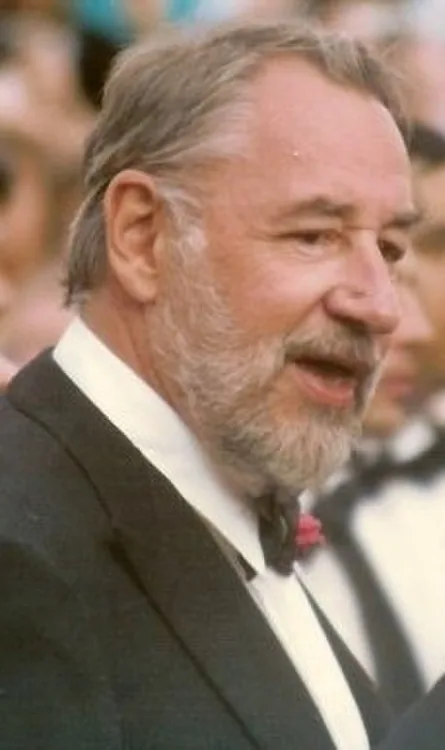
Philippe Noiret

Philippe Noiret, a French film actor, was born on October 1, 1930, in Lille. His parents were Lucy (Heirman), a homemaker from Belgium, and Pierre Georges Noiret, who sold fake collars. He spent his childhood in Toulouse and attended several prestigious schools in Paris, including the Lycée Janson de Sailly and collège de Juilly. Despite failing his baccalauréat exams multiple times, he pursued his passion for theater, studying acting with Roger Blin and Jean-Marie Conty and training at the Centre Dramatique de l'Ouest. His early experiences included singing in the choir of La Cigale and performing at St. Peter's Basilica in Rome in 1949. Noiret began his career with an uncredited role in Gigi (1949) and subsequently appeared in films such as La Pointe Courte (1955) and Zazie dans le Métro (1960). He spent seven years, starting around 1952, touring with the Théâtre National Populaire, performing over forty roles in classic plays like Le Cid , Macbeth , and Dom Juan . During this time, he also collaborated with Jean-Pierre Darras as a nightclub comedian, satirizing political figures such as Charles de Gaulle. He was part of the 'bande du Conservatoire,' formed in the early 1950s, which included other notable actors. In 1962, he married Monique Chaumette; they had a daughter, Frédérique Noiret, and were later grandparents to actress Déborah Grall. Noiret achieved widespread recognition through roles in films like A Matter of Resistance (1966) and Alexandre le Bienheureux . He is particularly remembered for his performance as Alfredo in Cinema Paradiso (1988). His career spanned over 100 film roles, attracting over 116 million spectators and establishing him as one of France’s most popular actors. He received two César Awards: one in 1976 for Vieux Fusil and another in 1990 for Life and Nothing But . He was also made a Knight of the Order of Legion of Honour. Following a period away from the stage, he returned to theater in 1997 with Les Côtelettes , later performing in L'Homme du hasard , Les Contemplations , and Love Letters . Philippe Noiret died from cancer on November 23, 2006, in Paris, at the age of 76.

French Comedians and the World of French Comedy

France has a long and distinctive comedy tradition, with humour playing an important role in theatre, cinema, television and live entertainment. French comedians have developed many different forms of comedy over the years, from theatrical performances and classic satire to modern stand-up, sketch comedy and online content.

GiggleTime's directory brings together French comedians, stand-up performers, comedy actors, writers and other personalities associated with French comedy. Browse the profiles above to discover comedians from different generations and learn more about their careers and work.

Stand-Up and Live Comedy in France

Modern stand-up has become an increasingly visible part of the French comedy scene. Comedians perform in dedicated comedy clubs, theatres, cafés and other venues, presenting material that ranges from personal stories and observational humour to social commentary, satire and absurd comedy.

The French live comedy scene is particularly active in Paris, where performers can find numerous venues and audiences for both established shows and new acts. Comedy is also performed throughout cities and regions across France, giving comedians opportunities to develop audiences outside the capital.

French-language comedy also extends beyond France itself, with performers and audiences connected to the wider Francophone world.

The French "One-Man Show" Tradition

One of the distinctive formats associated with French comedy is the one-man show, in which a comedian performs a full-length solo production for an audience.

These shows can combine stand-up, storytelling, theatrical performance, characters and scripted comedy. The format has become an important part of French popular entertainment and has helped many comedians develop a recognisable stage identity.

While contemporary French stand-up continues to evolve, the connection between comedy and theatrical performance remains an important characteristic of the country's comedy culture.

French Comedians in Film and Television

French comedy has a strong presence in cinema and television. Comedians frequently move between live performance, acting, writing and presenting, with many performers building careers across several forms of entertainment.

French television has produced numerous comedy programmes, sketch shows and entertainment formats, while French cinema has a long history of successful comedy films and memorable comic performances.

The relationship between stand-up and screen acting is particularly interesting in France, where a comedian may begin with live performances before moving into films, television or other forms of entertainment.

A Diverse French Comedy Scene

There is no single style that defines French comedy. Performers work across observational comedy, satire, parody, physical comedy, character-based performances, storytelling and improvisation.

Different generations of comedians have also brought different influences to the scene. Established performers continue to appear alongside newer comedians who use podcasts, YouTube, social media and streaming platforms to reach audiences.

This combination of traditional stage comedy and digital entertainment has created more opportunities for emerging French comedians to develop their own audiences and styles.

Discover French Comedians on GiggleTime

Looking for French comedians, French stand-up comedians or comedy actors from France? Explore the GiggleTime directory above to discover performers from different periods and areas of French entertainment.

Search for a particular comedian or browse the profiles to discover new names. Individual pages may include biographical information, career details, performances, photographs and other interesting facts.

Whether you enjoy French stand-up, comedy films, television comedians, one-man shows or classic French comedy, GiggleTime makes it easier to discover the people behind the humour.

Our directory continues to expand with new profiles, giving you more ways to explore the world of French comedy.