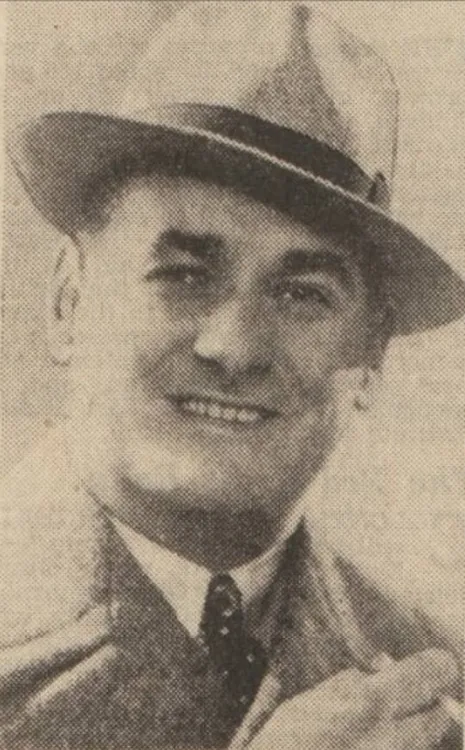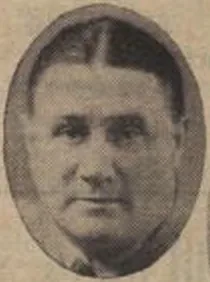
H. Vernon Watson
Samuel Vernon Watson, also known professionally as Nosmo King and sometimes cited as H. Vernon Watson, was an English variety artist born in 1886 near Peterborough. He originated from a rural area close to Peterborough and initially pursued a career as a bank clerk before finding his calling on the stage. Early in life, Watson demonstrated a talent for mimicry, which he began to develop professionally in 1911. Initially performing under his birth name, he started touring music halls before World War I and quickly gained recognition for his skill as an impressionist, impersonating other comedians. A significant moment came when Frank Tinney visited the United Kingdom; Watson subsequently incorporated an impression of Tinney into his act, which involved “blacking up.” Around the early 1930s, Watson transitioned to performing solely as Nosmo King, adopting a new act centered around a black-faced persona. The name 'Nosmo King' originated from a 'NO SMOKING' sign displayed on stage, or alternatively, from a sign on backstage dock doors, depending on the source. His performances became increasingly popular during this decade, and he gained notoriety for impersonating an American comedian using “blacking up.” Watson’s demanding schedule often involved performing at two rival theatres in Leeds, completing four shows nightly and traveling between them by taxi. He initially smoked cigars onstage but discontinued the practice due to audience feedback, eventually switching to snuff. The partnership with his son, Jack Watson, born in 1915 in Cambridgeshire, proved crucial to his success; Jack joined him onstage as his straight man, Hubert, contributing significantly to Watson's rising fame. During World War II, Watson performed solo when his son, Jack, joined the military. Jack Watson went on to become a famous and popular television and film actor. He was buried in Thorney Cemetery near Peterborough with 'Nosmo King' inscribed on his headstone. While his comedy style involved impressions and, later, a distinct persona, he is perhaps best remembered for the unique stage name he adopted and the long comic monologues that defined his later act. He became a professional in 1911 and remained a prominent figure in British variety entertainment until his passing.